Wednesday, April 10, 2013

Amazing Grace


“Code red! Code red!” was the sound heard over the loud speaker. Upon hearing those words, nurses and doctors in the ER department started to assemble toward the emergency room entrance. Of those nurses, one was named Grace, a newly graduated nursing student who had received her RN license a month prior.
As the paramedics rushed in with the stretchers, all you could see was blood and bruises on the patients. According to paramedics, there had been a fatal car accident on Highway 6 involving four car loads of people. Two had already been reported D.O.A., and nine were in critical condition.
Knowing the severity of the situation, Grace started to doubt herself.  This was the first time she had encountered such an event, and was scared that she may not be able to carry out the tasks she learned through nursing school, she thought.
Everyone in the room had gotten silent for a second, as the doctor started calling out orders. Grace’s job was to administer fluids to the patients and monitor their vital signs. She did so continuously until the patients’ were stable and given optimal care.
When the final reports came back saying that the patients were going to make it Grace was overly joyous. At that moment she realized how much it meant to help others. As she checked on the patients one last time before her shift ended, she couldn't help but wonder what would have happened if she had given up on them due to her lack of confidence in her nursing skills?

Wednesday, April 3, 2013

Who Shall?


Who shall care for you while you are sick, and make you better so very quick?
Who shall treat you for your illness, giving you the tools to complete wellness?
Who shall check your vital signs, making sure they’re normal and in line?
Who shall heel your wounds or cuts, stitching them up and closing them shut?
Who shall present you with a warm smile, whether you’re elderly or just a child?
 Who shall help you when you’re feeling your worse?
 You can always rely on a nurse.  
Image by bedpanner

Wednesday, March 20, 2013

Male Nurses


            In a profession with a vast majority women, increases in the number of male nurses are beginning to appear. According to the Census Bureau, the number of male nurses has tripled since 1970. Most male nurses are nurse anesthetists, and they have also been reported to have higher wages averaging $162,900 per year. Although this sounds quite nice, the perception people have towards male nurses differ from those of a female nurses. Misconceptions are sometimes made and male nurses are often times stereotyped for their choice to pursue a nursing career.
The most common of these misconceptions and stereotypes is that the nursing profession is for women, and males nurses are often seen as “feminine”, or even gay. I am wholeheartedly in disagreement with that because a person's career choice doesn't determine their sexuality. Nursing is for both males and females; it is not gender biased.
            Another controversial topic is the idea that male nurses work in the ob gyn and/or labor and delivery field. I support male nurses who may want to pursue an occupation in this area, but I would personally prefer to have a female assist me. There is NOTHING bad about a male in this occupation; it just can get a bit uncomfortable for me at times. 
         Some other issues male nurses may face is being said they don’t care enough, work under doctor’s, and that they are medical doctor rejects, just to name a few.
Nursing is a great opportunity for men and women. If any male has ever thought about a career in nursing, I think they should go for it. You shouldn't let the opinions or negative views of others decide for you. 

Other sources:

Wednesday, March 13, 2013

Crime Equals Time

For any one who may not know, filling fake prescriptions is 
ILLEGAL, along with forgery and trafficking them. Ultimately, 
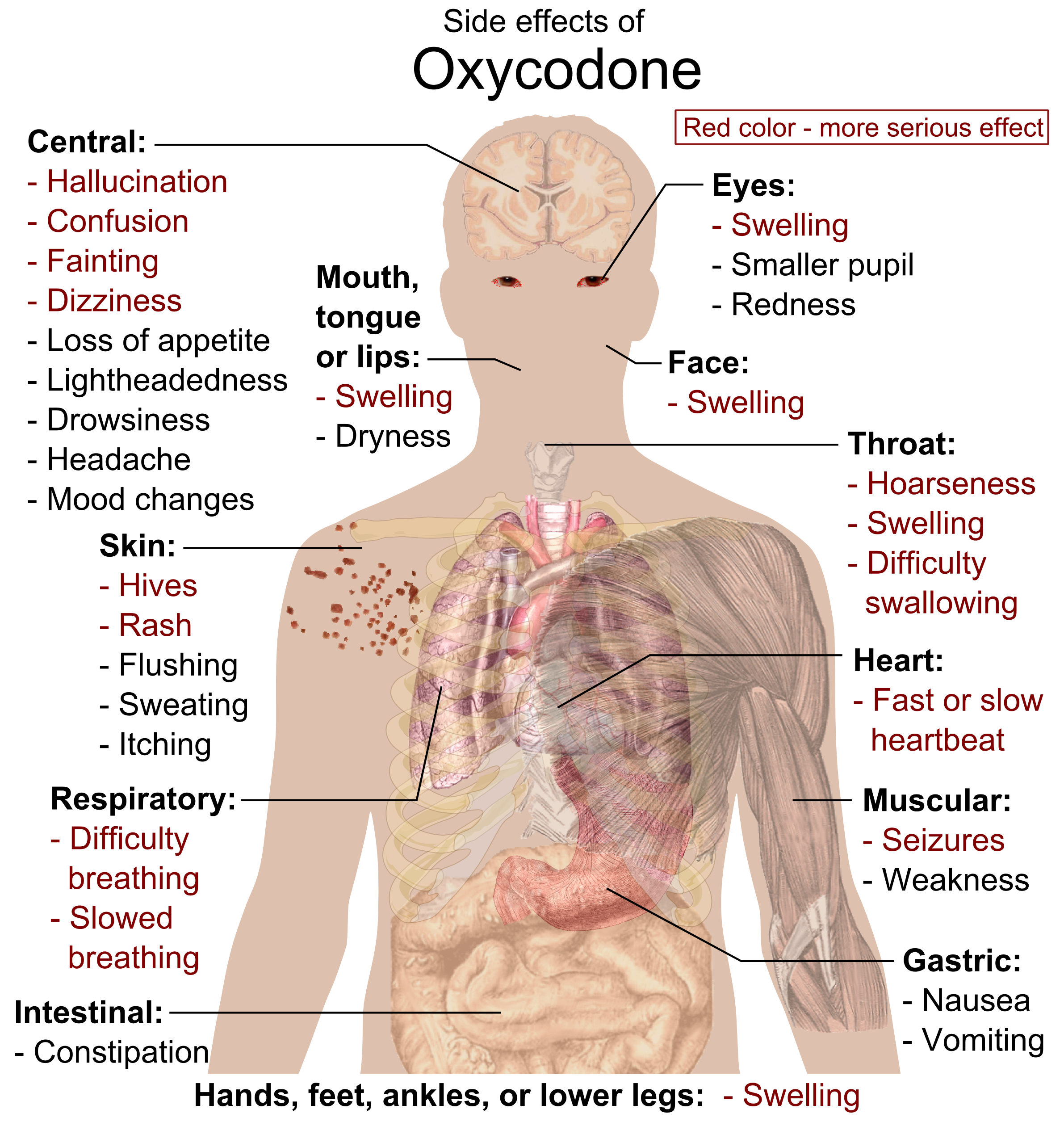
what is at stake here is the consequent of jail time or even the lost of one's job There was an article about a nurse who was allegedly filling fake prescriptions for painkiller. She has been arrested with more than 50 charges ranging from trafficking in oxycodone to uttering a forged prescription.  I’m sure you’re wondering why anyone would think to do this, well there could be multiple reasons. 


In this case records showed that the nurse was opiate dependence, which is dependence on drugs such as: oxycodone, morphine, codeine, heroin, etc. People with it are usually physically dependent on the drug and rely on it to treat pain for injuries or illnesses. So with her filling all the prescriptions for herself, I believe she may have been using them to overcome some type of pain she was having.  
I'm also in agreement with her being charged with trafficking the oxycodone. She could have easily selling them underhandedly because there have been similar cases where this has occurred.  One in particular was a pharmacist who was arrested with these same charges (video and article), so as you see its not an uncommon case. In my opinion, they traffic the painkiller to make a quick money and know there are people out there willing to buy these drugs; whether its pain related or just an addiction. 
Now just like any other addiction, some people can be addicted to pain killers, prescribed ones more often. Though being dependent and addicted may seem the same they are different. An addiction comes about when a sensation to get “high” from the drug forms, contrary to dependency. It is possible to become addicted to the drug overtime, but it depends on the person and their psychological need for it.
All in all, if you want to keep your job and stay out of jail why take the risk of going to jail, losing your job, or even potentially hurting yourself? You might get away with something, but you won't for too long. 

Wednesday, March 6, 2013

Weighing Your Options

Maybe you have considered becoming a nurse, but wasn't sure if it was the right career choice. Just like any other job, being a nurse can have it advantages and disadvantages.  I think a good idea when making this decision would be to view its pros and cons.

To me one of the ultimate things of becoming a nurse is the fact that you get to help so many people, in the smallest or biggest ways.  From just a smile to saving a life, nurses can make a tremendous impact on others.  There are also more job opportunities available for nurses. Each year the jobs are growing and they are at greater demand for nurses. Others may choose this career solely based on its salary. The Advance Salary Survey 2008 listed the average RN nursing salary at $56,785But the money isn't always the reason why people choose nursing as a profession. A lot of people actually care about other people’s needs and love the challenges that come with it.

Of course with pros there are going to be some cons. In the nursing field it can be stressful and have an emotional impact someone. It’s a lot of pressure to have other people’s lives in your hands, so it takes a lot of mental strength to cope with the tension. Trials will come, but you have to be prepared for the worst.  Nursing can also take a physical toll on the body. For the most, it requires you to be on your feet the majority of the day. They are constantly moving on the job so if you don’t like to walk much, nursing may not be the job for you. 

Nurses play a big role in our society and are important in the healthcare world.  Though nursing may have a few cons, you have to ask yourself if the good outweighs the bad.

Wednesday, February 27, 2013

Nursing in another Aspect


During a conversation with a friend of mine, we were discussing the conditions of her job.  I've wondered for a while what her actual job description and title was, but I always assumed she was an LPN (licensed practical nurse).  So I took it upon myself, to ask her what exactly she does. She told me she was a CNA, or certified nursing assistant. As she started describing some of the things she does on her job, I thought that they were the same as those of an LPN.  I found that the duties between a CNA (certified nursing assistant) and a LPN (licensed practical nurse) vary from care to training. 

 A CNA provides assistance to the residents or patients that can’t take care of themselves as if they were living at home. CNAs spend most of their time getting to know the resident physically and emotionally. They provide care as far as feeding, clothing, bathing, and lending an ear to listen to the resident when there is a particular problem they may need to confirm. It’s the CNAs job to always provide a welcome and comfortable home for the patient. If a new resident arrives in a facility that they are not used to, they may become very confused or scared. As a caregiver, a CNA should make sure the resident knows that everything is going to be okay at all times. CNAs also receive the residents’ vitals: blood pressure, pulse, respiration, and their temperature and report any unusual problems in the resident’s behavior, eating habits, and strength.  Often times the patients are older adults and need to be taken care of very carefully, as a CNA they should show compassion, lend a helping hand, and always listen. 

One the other hand, LPNs spend about half of their time working charting information needed on the residents. This information may be things such as: what pill has been handed out, how many times the resident had an output, their blood pressure, pulse, respiration, temperature, and behavior problems. They also provide proper medication to residents prescribed by doctors. An LPN can tend to be less affectionate towards patients than a CNA would, but in all they are supposed to care for the residents as much as the CNA does. When or if a resident needs to talk to anyone about their health problems they usually call for the LPN, and if it’s a question that they cannot answer, they may call on a RN for help because LPNs are not qualified to do as much as an RN does.

     A CNA makes less than an LPN, and it takes a CNA only a few weeks of lessons, whereas an LPN, a one-year learning process. Their duties differ from one another and so can their care-giving skills. The LPNs do not make as valuable time for the patients as CNAs, but they do provide more health related care to them. 

Wednesday, February 13, 2013

It's Just a Flu Shot

                The dreadful flu season has struck. It's the time of the year where everyone's liable to get sick. Since my mother is always lecturing me about my health, I asked about a flu shot at a recent doctor's visit. I was also curious to know exactly how beneficial the a flu shot would be. My doctor informed me that they were nothing to be uneasy about and that she had had one herself. Unfortunately they were out of the vaccine so I left without getting one. Furthermore, I came across a post called Indiana Nurses Fired for Refusing to Get Flu Shot. It talks about how a few nurses refused to take the flu vaccine and were fired in response to it I find this occurrence to be very controversial to me.
                 
            In my opinion I believe everyone in the health profession should receive flu vaccines. The shots are meant to decrease the chances of getting the flu. They may not be 100% effective, but the likelihood of getting the flu is low. Nurses are around people all day, sick people at that. The flu does spread, so by not receiving a flu shot one could potentially be setting themselves up to get sick or even their patients. I feel like anyone who isn't thinking of the patients health let alone their own health should elaborate on their career choice.